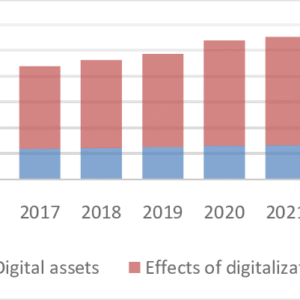
Digital growth in Nowadays

The Growth of the Digital World Nowadays

Digital growth in Nowadays

Digital growth in Nowadays

Digital growth in Nowadays

The digital world has become an important part of modern life. With the rapid development of the internet, smartphones, artificial intelligence, social media, and digital services, the way people communicate, work, learn, and do business has changed significantly. Today, digital technology connects people and businesses across cities, countries, and continents.

Rapid Growth of Digital Technology

Technology is developing at a very fast pace. Smartphones and high-speed internet have made information accessible almost instantly. People can communicate through video calls, social media, and messaging applications from anywhere in the world. Cloud computing and digital platforms have also made it easier to store, share, and access information.

Growth of Digital Business

Businesses are increasingly moving toward digital platforms to reach customers. Websites, social media, search engines, online advertising, and e-commerce platforms allow businesses to promote their products and services to a much larger audience.

Even small businesses can now create an online presence and compete with larger companies. Digital marketing has become an important tool for attracting customers, building brand awareness, and increasing sales.

Rise of Social Media

Social media has played a major role in the growth of the digital world. Platforms such as Instagram, Facebook, YouTube, and LinkedIn allow people and businesses to share information, create content, communicate with audiences, and promote their brands.

Short videos, live streams, reels, and other forms of digital content have made online communication more engaging and interactive.

Artificial Intelligence and Automation

Artificial Intelligence (AI) is another major factor behind the growth of the digital world. AI is being used in areas such as customer service, content creation, data analysis, education, healthcare, marketing, and business management.

Automation helps businesses save time and improve efficiency by handling repetitive tasks. As AI technology continues to develop, it is expected to become an even larger part of everyday digital activities.

Digital Education

Education has also experienced major changes because of digital technology. Students can access online classes, educational videos, digital books, courses, and learning platforms from almost anywhere. This has made education more flexible and accessible.

Teachers and educational institutions are also using digital tools to make learning more interactive and effective.

Growth of E-Commerce

Online shopping has transformed the way people purchase products. Customers can compare prices, read reviews, explore different products, and place orders from their smartphones or computers.

Businesses can also sell their products beyond their local markets, giving them opportunities to reach customers in different cities and countries.

The Future of the Digital World

The digital world is expected to continue growing rapidly. Technologies such as artificial intelligence, cloud computing, automation, virtual reality, digital payments, and smart devices will continue to influence businesses and everyday life.

Businesses that understand digital trends and adapt to changing customer behavior will have better opportunities to grow in the future.

Conclusion

The growth of the digital world has changed almost every aspect of modern society. From communication and education to shopping, entertainment, and business, digital technology has made many activities faster and more convenient.

In today’s competitive environment, having a strong digital presence is becoming increasingly important. The future belongs to businesses and individuals who can effectively understand, use, and adapt to the opportunities created by the digital world.

What is Digital Marketing?

What is Digital Marketing?

What is Digital Marketing?

Introduction

Digital marketing has become one of the most important ways for businesses to reach customers in today’s digital world. With millions of people using smartphones, search engines, social media, and websites every day, businesses can use digital platforms to promote their products and services effectively.

Unlike traditional marketing methods such as newspapers, television, and posters, digital marketing allows businesses to reach a specific audience, communicate with customers directly, and measure the results of their marketing campaigns.

What Is Digital Marketing?

Digital marketing refers to the promotion of products, services, or brands through digital channels such as search engines, websites, social media, email, mobile applications, and online advertising.

For example, when a company promotes its products on Instagram, appears on Google search results, sends promotional emails, or runs advertisements on YouTube, it is using digital marketing.

Major Types of Digital Marketing

1. Search Engine Optimization (SEO)

SEO is the process of improving a website so that it appears higher in search engine results. A good SEO strategy helps businesses attract people who are already searching for their products or services.

SEO includes keyword research, useful content, website optimization, technical improvements, and building trustworthy links.

2. Social Media Marketing

Social media marketing involves promoting a business on platforms such as Instagram, Facebook, YouTube, and LinkedIn. Businesses can share posts, videos, reels, educational content, offers, and customer stories to attract and engage their audience.

Social media also allows businesses to communicate directly with customers and build a strong online community.

3. Content Marketing

Content marketing focuses on creating useful and valuable content for customers. This can include blogs, articles, videos, infographics, guides, and social media posts.

Good content helps a business establish credibility and provides customers with information that can help them make purchasing decisions.

4. Pay-Per-Click Advertising

Pay-per-click (PPC) advertising allows businesses to display paid advertisements on search engines and other digital platforms. The advertiser generally pays when someone clicks on the advertisement.

PPC can help businesses generate traffic and leads quickly, especially when campaigns are targeted toward relevant keywords and audiences.

5. Email Marketing

Email marketing is used to communicate with existing and potential customers through email. Businesses can send newsletters, product updates, special offers, and useful information.

When used properly, email marketing can help businesses maintain long-term relationships with their customers.

6. Influencer Marketing

Influencer marketing involves working with individuals who have an established audience on social media or other digital platforms. Influencers can introduce products or services to their followers and help businesses increase awareness and trust.

Importance of Digital Marketing

Digital marketing is important because customers increasingly use the internet to discover, research, compare, and purchase products and services. A strong online presence helps businesses remain visible and competitive.

Another major advantage is that digital marketing can be measured. Businesses can track website visits, clicks, engagement, leads, conversions, and other results to understand what is working and improve their strategies.

Benefits of Digital Marketing

  • Global reach: Businesses can reach customers beyond their local area.
  • Targeted marketing: Advertisements can be shown to specific audiences.
  • Cost flexibility: Businesses can choose budgets according to their needs.
  • Measurable results: Campaign performance can be tracked using digital analytics.
  • Customer engagement: Businesses can communicate directly with customers.
  • Brand awareness: Consistent online activity can help build a recognizable brand.
  • Business growth: Effective digital strategies can generate leads and increase sales.

Digital Marketing for Small Businesses

It is particularly useful for small businesses because they can compete for online attention without needing the same advertising budgets as large companies.

A local business can create a website, optimize its Google Business Profile, publish useful content, maintain social media accounts, and run targeted advertisements to attract nearby customers.

For example, a jewellery business can use SEO to appear when people search for jewellery suppliers, use Instagram to showcase new designs, and use WhatsApp or email to communicate with wholesale customers.

Future of Digital Marketing

The future of digital marketing is expected to become increasingly technology-driven. Artificial intelligence, automation, personalization, video content, voice search, and data analytics are changing how businesses communicate with customers.

Businesses that understand their audience, create useful content, maintain trust, and adapt to new technologies will be better positioned to succeed in the digital marketplace.

Conclusion

It has transformed the way businesses promote their products and connect with customers. From SEO and social media marketing to content creation, email campaigns, and online advertising, there are many ways to build a strong digital presence.

For businesses of every size, digital marketing is no longer simply an optional promotional tool. It has become an important part of building brand awareness, reaching customers, generating leads, and achieving long-term growth. A well-planned digital marketing strategy can help a business reach the right people at the right time and turn online attention into meaningful business results.


What is Digital Marketing?

What is digital Marketing?

What is Digital Marketing?


Digital marketing has become one of the most important ways for businesses to reach customers in today’s world. With millions of people using smartphones, search engines, social media, and websites every day, businesses have a huge opportunity to promote their products and services online.

Unlike traditional marketing methods such as newspapers, television, posters, and pamphlets, digital marketing allows businesses to reach the right audience quickly and often at a lower cost. It also helps businesses measure the performance of their marketing campaigns and understand customer behaviour.

Digital marketing refers to the promotion of products, services, or brands through digital channels such as search engines, websites, social media, email, mobile applications, and online advertisements.

For example, when a person searches for a product on Google and sees an advertisement, follows a business on Instagram, or receives a promotional email, these are all examples of digital marketing.

The main goal of digital marketing is to attract potential customers, build trust, generate leads, increase sales, and create long-term relationships with customers.

1. Search Engine Optimization (SEO)

SEO is the process of improving a website so that it appears higher in search madhavengine results. A well-optimized website can attract more visitors without paying for every click.

Businesses use relevant keywords, useful content, proper website structure, backlinks, and technical improvements to improve their search engine ranking.

2. Social Media Marketing

Social media marketing involves promoting a business through platforms such as Instagram, Facebook, YouTube, LinkedIn, and other social networks.

Businesses can share photos, videos, reels, educational content, offers, and customer reviews to engage their audience. Social media is especially useful for building brand awareness and communicating directly with customers.

3. Content Marketing

Content marketing focuses on creating useful and valuable content for customers. This can include blogs, articles, videos, guides, infographics, and social media posts.

Good content helps a business demonstrate its knowledge, answer customer questions, build credibility, and attract potential customers.

4. Search Engine Marketing and Online Advertising

Businesses can use paid advertisements on search engines and social media to reach specific audiences. These advertisements can be targeted based on factors such as location, interests, age, search behaviour, and other characteristics.

Paid advertising can help businesses generate traffic, leads, and sales more quickly.

5. Email Marketing

Email marketing involves sending useful information, offers, product updates, newsletters, and promotional messages to customers through email.

It can be an effective way to maintain relationships with existing customers and encourage repeat purchases.

6. Influencer Marketing

Influencer marketing involves collaborating with people who have an established audience on social media or other digital platforms.

An influencer can introduce a product or service to their followers, helping a business reach a new audience and build awareness.

Digital marketing is important because customers are increasingly using the internet to discover, compare, and purchase products and services.

One of its biggest advantages is its wide reach. A small business can promote its products not only in its local area but also to customers in different cities, states, or even countries.

Digital marketing is also measurable. Businesses can track website visitors, advertisement clicks, leads, conversions, and sales. This information helps them understand what is working and where improvements are needed.

Another major advantage is customer engagement. Through social media, email, websites, and messaging platforms, businesses can communicate with customers and respond to their questions and feedback.

  • Wider reach: Businesses can connect with customers across different locations.
  • Cost-effective: Many digital marketing methods can be started with relatively small budgets.
  • Better targeting: Advertisements can be shown to specific audiences.
  • Measurable results: Businesses can track campaign performance.
  • Greater customer engagement: Customers can interact directly with brands.
  • Brand building: Regular online activity can increase brand recognition and trust.
  • 24/7 presence: A website and online platforms can provide information to customers at any time.
  •  

A professional website acts as the digital identity of a business. It provides customers with information about products, services, prices, contact details, reviews, and other important information.

A website also supports SEO, online advertising, content marketing, and lead generation. For many businesses, it becomes the central platform to which customers are directed from search engines and social media.

Therefore, businesses should ensure that their websites are mobile-friendly, fast, secure, easy to navigate, and filled with useful information.

Digital marketing has created new opportunities for small businesses. A local shop, service provider, manufacturer, or startup can use Google search, social media, a website, and online advertising to compete with larger businesses.

For example, a jewellery business can showcase its products through Instagram and Facebook, create a website for customers, use SEO to appear in search results, and run targeted advertisements to reach potential buyers.

The future of digital marketing is expected to become increasingly technology-driven. Artificial intelligence, automation, data analytics, personalization, short-form videos, voice search, and new digital platforms are changing the way businesses communicate with customers.

Businesses that understand their customers and continuously adapt to new technologies will have better opportunities to grow in the competitive digital marketplace.

Digital marketing has transformed the way businesses promote their products and communicate with customers. From SEO and social media marketing to content creation, email marketing, and online advertising, businesses have many tools available to reach their target audience.

The most successful digital marketing strategy is not simply about being present online. It is about providing valuable content, understanding customer needs, building trust, measuring results, and continuously improving.

In today’s digital world, digital marketing is no longer just an additional marketing option—it has become an essential part of building and growing a modern business.